Email marketing remains one of the most powerful, measurable, and cost-effective digital marketing strategies available today. Despite the explosion of social media, short-form video, and AI-powered messaging tools, email continues to deliver some of the highest returns on investment (ROI) of any channel — when done right.
In this comprehensive beginner’s guide, we’ll explore what email marketing is, how it works, why it matters in 2026, the core strategies involved, the metrics that matter, compliance rules you must follow, and how to build campaigns that convert. By the end, you’ll have a solid foundation to launch your first email marketing initiative with confidence.
📌 What Is Email Marketing?
Email marketing is the practice of sending targeted messages to a list of subscribers via email with the purpose of:
- Educating or informing an audience
- Nurturing leads through a buying journey
- Promoting products or services
- Increasing engagement and brand loyalty
- Driving conversions (sales, sign-ups, etc.)
Unlike social media or display ads, email gives you direct access to a person’s inbox, where you can communicate without algorithmic interference. The core idea is simple: you collect permission from people who want to hear from you and send them relevant, valuable content.
📈 Why Email Marketing Still Matters in 2026
Even as new technologies emerge, email continues to hold its ground because:
1. High ROI
Multiple studies over the years have shown that email marketing consistently delivers strong ROI — often cited as $36 or more for every $1 spent. This reflects not just low costs but also personalization capabilities and measurable outcomes.
2. Ownership of Audience
On social platforms, your reach depends on algorithms you don’t control. With email, you own the list — you aren’t dependent on third-party platforms for visibility.
3. Personalization & Segmentation
Modern email platforms make it easy to segment audiences by behavior, preferences, purchase history, and demographics — improving relevance and performance.
4. Multi-Channel Integration
Email integrates seamlessly with SMS, social media, ads, landing pages, and CRMs — creating cohesive customer experiences.
5. Adaptation to Privacy Regulations
With increasing emphasis on privacy (GDPR, CCPA, and others), email — when permission-based — remains one of the most compliant and trustworthy communication channels.
📬 How Email Marketing Works
Email marketing involves several core components:
1. Building a Subscriber List
This begins with capturing permission. Common methods include:
- Website signup forms
- Lead magnets (e.g., free eBooks, checklists)
- Gated content
- Pop-ups and widgets
- Event registrations
- Social media promotions
The key principle here is opt-in — users must choose to receive your emails.
2. Choosing an Email Service Provider (ESP)
An ESP is a platform that lets you send, automate, and track email campaigns. Popular ESPs include Brevo (formerly Sendinblue), Mailchimp, and others.
An ESP provides:
- Subscriber list management
- Drag-and-drop email builders
- Automation workflows
- Analytics dashboards
- Compliance support (unsubscribe options, CAN-SPAM, GDPR features)
3. Segmenting Your List
Segmentation means dividing your audience based on shared characteristics so you can send more relevant content.
Examples:
- New subscribers
- Purchased vs non-purchased
- Location
- Engagement level
- Interests/preferences
Segmented campaigns often achieve higher open and click-through rates than generic broadcasts.
4. Creating and Sending Emails
Depending on your goal, emails may include:
- Newsletters
- Promotional offers
- Transactional emails (order confirmations, receipts)
- Educational series
- Product announcements
- Re-engagement campaigns
5. Measuring Performance
Success is tracked using metrics such as:
- Open Rate
- Click-Through Rate (CTR)
- Conversion Rate
- Bounce Rate
- Unsubscribe Rate
- Revenue per Email Sent
These metrics help refine future campaigns and strategy.
🧠 Key Types of Email Marketing Campaigns
📩 1. Newsletters
Regular emails that inform, educate, or engage your audience. They help with audience retention.
Best use: Sharing blog posts, product updates, industry insights.
🛒 2. Promotional Emails
Focused on short-term offers, sales, discounts, or product launches.
Best use: Black Friday sales, flash deals, seasonal promotions.
🤖 3. Automated Drip Campaigns
Pre-set emails triggered by subscriber actions, such as welcoming a new user or following an abandoned cart.
Best use: Onboarding sequences, nurture flows.
🧍♂️ 4. Transactional Emails
Sent after a specific action — order confirmations, shipping notifications, password resets.
These often have very high open rates because they deliver value.
🔁 5. Re-engagement Emails
Designed to win back inactive subscribers.
Example subject: “We Miss You — Here’s 20% Off”
📊 Important Email Marketing Metrics
Understanding data is critical to optimization. Here’s what marketers pay attention to:
📌 Open Rate
The percentage of subscribers who open your email. A higher open rate typically indicates strong subject lines and sender trust.
📌 Click-Through Rate (CTR)
The percentage who clicked a link in your email.
📌 Conversion Rate
The percentage of subscribers who completed the desired action (purchase, signup, etc.).
📌 Bounce Rate
Emails that couldn’t be delivered. Soft bounces are temporary; hard bounces indicate a bad email address.
📌 Unsubscribe Rate
People who opted out after receiving your email.
📌 Spam Complaint Rate
If too many mark your email as spam, your sending reputation suffers.
🛠 Step-by-Step: How to Start an Email Marketing Campaign
🧱 Step 1: Define Your Goal
Ask:
- Do you want more sales?
- Nurture leads?
- Educate your audience?
- Increase repeat purchases?
Your goal dictates the type of campaign you send.
🧲 Step 2: Build Your First Lead Magnet
Lead magnets must be:
- High value
- Quick to consume
- Aligned with audience needs
Examples:
- Free checklist
- Email course
- Industry report
- Discount coupon
📥 Step 3: Create an Email Signup Form
Place it on:
- Website header
- Blog sidebar
- Landing page
- Pop-ups
Always offer clear value for signing up.
📧 Step 4: Choose an ESP and Import Your List
Set up your account, import your existing list, and segment it.
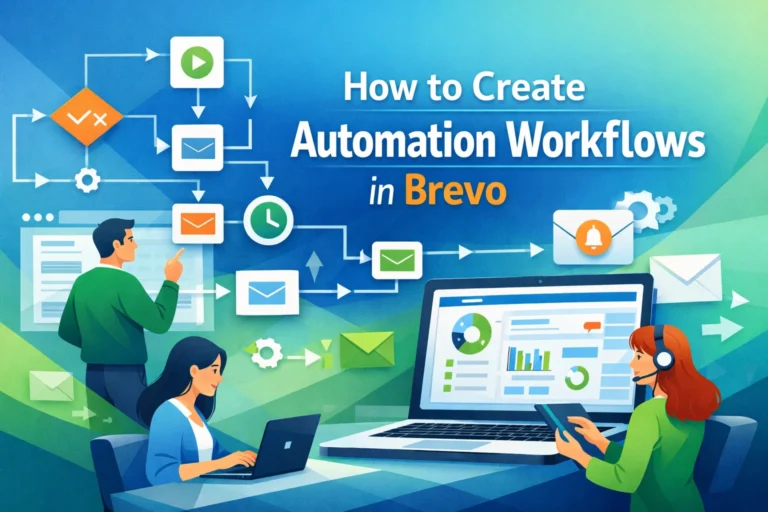
🤖 Step 5: Create an Automation Workflow
For new subscribers:
Welcome Email → Follow-up Value Emails → Promotion Email
Automation saves time and nurtures leads without manual sending.
🧠 Step 6: Write Effective Emails
Good emails include:
- Catchy subject lines
- Clear value
- Personalized greetings
- Single call-to-action (CTA)
- Mobile-friendly design
📈 Step 7: Test and Optimize
Run A/B tests on:
- Subject lines
- Sending times
- CTA buttons
- Email layouts
Data from these tests improves performance over time.
🧑⚖️ Email Marketing Laws & Best Practices
📜 1. Permission Is Mandatory
You must obtain consent before emailing subscribers. Cold emailing without permission increases complaints and legal risk.
📜 2. Include an Unsubscribe Option
Every email must let recipients opt out easily.
📜 3. Follow Privacy Laws
Regulations include:
- GDPR (Europe)
- CAN-SPAM (USA)
- CASL (Canada)
- Local privacy laws worldwide
These protect user privacy, requiring transparency and consent.
📜 4. Honest Subject Lines
Don’t mislead. Be clear about what’s inside the email.
✨ Email Marketing Trends in 2026
Staying current improves results. Some notable trends include:
🤖 AI Before and After Sending
AI is now used to:
- Write better subject lines
- Predict best send times
- Personalize content dynamically
- Optimize audience segments
📱 Mobile-First Design
Over 70% of emails are opened on phones. Responsive design is critical.
🧠 Behavioral Triggers
Emails now rely on user behavior (site visits, purchases) to personalize sequences.
🤝 Integration With CRM and Chat
Email is no longer isolated — it works within broader customer journeys.
🔒 Enhanced Privacy Controls
Consumers expect transparency on how their data is used.
🚀 Conclusion: Why Email Marketing Still Wins
Email marketing remains essential in 2026 because it:
- Delivers measurable ROI
- Gives marketers direct access to their audience
- Enables personalized communication
- Integrates across channels
- Scales from small businesses to enterprises
Whether you’re a beginner or an experienced marketer, mastering email marketing opens the door to stronger customer relationships, reliable revenue growth, and long-term business success.
FAQ’s
1️⃣ What is email marketing in simple words?
Email marketing is a digital marketing strategy where businesses send emails to people who have agreed to receive messages from them. These emails can include newsletters, promotions, product updates, educational content, or special offers. The goal is to build relationships, increase engagement, and generate sales by communicating directly with subscribers in their inbox.
2️⃣ Is email marketing still effective in 2026?
Yes, email marketing remains one of the most effective digital marketing channels in 2026. It consistently delivers one of the highest returns on investment (ROI) compared to social media and paid advertising. Because businesses own their email lists and can personalize messages, email continues to outperform many other channels in engagement and conversions.
3️⃣ How do beginners start email marketing?
Beginners can start email marketing in seven simple steps:
- Define a clear goal (sales, leads, engagement).
- Choose a reliable email marketing platform.
- Create a lead magnet to attract subscribers.
- Add signup forms to your website.
- Build and segment your email list.
- Set up a welcome email sequence.
- Track performance and optimize based on results.
Starting small and focusing on valuable content is key to long-term success.
4️⃣ What is the difference between email marketing and email advertising?
Email marketing focuses on building long-term relationships with subscribers who have opted in to receive content. It often includes newsletters, educational emails, and automated sequences.
Email advertising, on the other hand, usually refers to promotional messages sent to promote products or services, often with a short-term sales objective. Effective strategies combine both relationship-building and promotional messaging.
5️⃣ What are the most important email marketing metrics to track?
The most important email marketing metrics include:
- Open Rate – Percentage of recipients who open your email.
- Click-Through Rate (CTR) – Percentage who click on links inside the email.
- Conversion Rate – Percentage who complete the desired action.
- Bounce Rate – Emails that could not be delivered.
- Unsubscribe Rate – Subscribers who opt out.
Tracking these metrics helps businesses improve performance and maximize results over time.