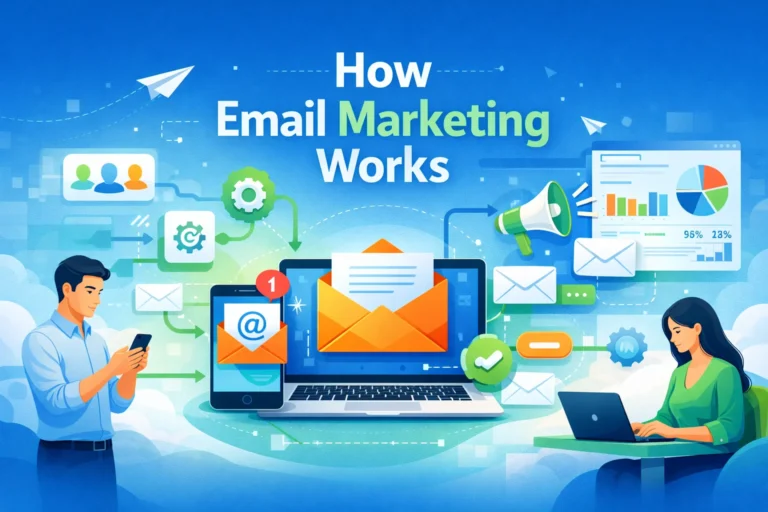
Email automation is one of the most powerful tools in modern digital marketing. It allows businesses to deliver the right message to the right audience at the right time — without sending every email manually. Whether your goal is to welcome new subscribers, recover abandoned carts, nurture leads, or boost customer retention, automation workflows transform repetitive tasks into scalable systems that run in the background.
In this comprehensive guide, we’ll walk you step‑by‑step through everything you need to know to create effective automation workflows in Brevo — from understanding the fundamentals to building, testing, and optimizing your automations for measurable impact.
Table of Contents
- What Are Automation Workflows?
- Why Automation Matters in 2026
- Common Types of Automation Workflows
- Preparing for Automation in Brevo
- Step‑by‑Step: How to Create Automation Workflows
- Best Practices for Effective Automation
- Monitoring, Testing, and Optimization
- Advanced Workflow Ideas
- Automation Mistakes to Avoid
- Final Thoughts
1. What Are Automation Workflows?
An automation workflow is a sequence of triggered actions that occur automatically based on a user’s behavior, profile data, or specific conditions you define. For example, when someone subscribes to your newsletter, an automated welcome series can send targeted messages without any manual intervention.
A simple workflow might look like:
- Trigger: User subscribes
- Email #1: Welcome message
- Delay: 2 days
- Email #2: Top blog posts / best resources
- Delay: 3 days
- Email #3: Special offer / call‑to‑action
Workflows save time and deliver more personalized experiences that increase engagement, conversions, and long‑term customer value.
2. Why Automation Matters in 2026
Marketing automation has evolved beyond simple drip campaigns. Today’s customers expect timely, relevant, and personalized experiences. Automation helps businesses:
- Scale communication without extra labor
- Deliver tailored content that resonates
- Improve conversion rates
- Increase customer loyalty and retention
- Reduce manual errors and operational load
In a landscape where customers expect instant relevance, automation isn’t a luxury — it’s a competitive necessity.
3. Common Types of Automation Workflows
Before building workflows in Brevo, it’s essential to understand common automation types used by high‑performing marketers:
a. Welcome Series
Introduces new subscribers to your brand and sets expectations.
b. Lead Nurturing
Guides prospects from initial interest to a sales decision.
c. Abandoned Cart Recovery
Targets ecommerce users who added products to their cart but didn’t complete checkout.
d. Post‑Purchase Follow‑Up
Reinforces value after a sale and encourages repeat purchases.
e. Birthday / Anniversary Messages
Delivers personalized offers on special dates.
f. Re‑Engagement Sequences
Reactivates inactive subscribers before removing them from your list.
4. Preparing for Automation in Brevo
Before you start building a workflow, take these preparatory steps:
A. Clean and Organize Your Contact List
Automation works best when you have a clear understanding of your audience. Segment your list based on:
- Subscription source
- Engagement level
- Purchase history
- Geographic location
- User behavior
B. Define Your Goal
Each workflow should serve a distinct purpose. Ask yourself:
- What action do I want the user to take?
- What outcome will show success?
C. Plan Your Content
Draft your email copy, images, CTAs, and links in advance. Having content ready streamlines the automation setup.
D. Set Up Tracking & Analytics
Enable tracking to measure workflow performance accurately. Brevo allows you to track opens, clicks, conversions, and revenue.
5. Step‑by‑Step: How to Create Automation Workflows in Brevo
Let’s build your first automation in Brevo.
Step 1: Log Into Your Brevo Account
Head to www.brevo.com and log in with your credentials.
Step 2: Navigate to Automation
On the left sidebar:
Automation → Workflows
Click Create a New Workflow.
Brevo offers ready‑made templates for beginners and blank canvases for custom setups.
Step 3: Choose a Workflow Type
Brevo provides several templates such as:
- Welcome new contacts
- Abandoned cart
- Birthday emails
- Custom workflow
Choose the one that best matches your objective.
Step 4: Define Your Trigger
A trigger initiates the workflow. Common triggers include:
- Contact added to a list
- Email opened or clicked
- Cart abandoned
- Custom events (e.g., purchase completed)
For example, to create a welcome series:
Trigger: Contact joins “Newsletter” list
Step 5: Add Workflow Actions
Actions are the steps that happen after the trigger. Brevo allows:
- Send email
- Wait/delay for hours or days
- Add tag
- Remove tag
- Move to another list
- Send SMS
Example for a welcome series:
- Send Welcome Email
- Wait 2 days
- Send Resource Email
- Wait 5 days
- Send Offer Email
Step 6: Personalize Your Emails
Use merge tags to personalize content dynamically:
- First name
- Last name
- Location
- Purchase data
Personalization increases engagement and relevance.
Step 7: Configure Conditions and Filters
Conditions allow more customization:
- If clicked or didn’t click a link
- If purchased or did not purchase
- Location filter
For instance, you might send different follow‑ups based on whether a subscriber clicked a link.
Step 8: Review and Activate
Before turning the workflow live:
✔ Preview each email
✔ Test all links
✔ Validate timing delays
✔ Ensure tracking is enabled
Once reviewed, click Activate Workflow.
6. Best Practices for Effective Automation
To get the most out of your Brevo automation workflows, follow these best practices:
A. Start With Clear Objectives
Ambiguous automation leads to unclear results. Define KPIs:
- Open rate
- Click rate
- Conversion rate
- Revenue attributed
B. Use Behavior‑Based Triggers
Segmenting based on behavior produces more relevant automations than static lists.
For example:
- A visitor who clicked a pricing page gets a different follow‑up than someone who downloaded a guide.
C. Respect Subscriber Frequency
Don’t overwhelm subscribers. Set reasonable delays between emails.
A common pattern:
- Day 0: Welcome
- Day 2: Value content
- Day 5: Offer or resource
D. Segment Based on Engagement
Create separate workflows for:
- Highly engaged users
- Cold or inactive subscribers
Engaged users may appreciate more frequent messaging, while inactive subscribers should be treated gently.
E. Leverage Multichannel Messaging
Brevo allows SMS, WhatsApp, and push notifications in automation. Use them when appropriate — especially for time‑sensitive messages.
7. Monitoring, Testing, and Optimization
A workflow isn’t successful just because it’s active. You must track performance and iterate.
A. Analyze Workflow Metrics
Track:
- Number of contacts entering the workflow
- Open rates
- Click rates
- Conversion rates
- Unsubscribe rates
- Revenue generated
B. A/B Test Workflow Emails
Test variables such as:
- Subject lines
- Send times
- Email content
- CTA buttons
A/B testing reveals what resonates with your audience.
C. Refine Timing Intervals
If engagement drops between emails, experiment with longer or shorter delays.
D. Clean Automation Lists Regularly
Remove inactive or unresponsive contacts after re‑engagement attempts. This preserves deliverability.
8. Advanced Workflow Ideas
Once you’ve mastered the basics, consider these advanced workflows:
A. Lead Scoring Automation
Assign points based on actions and move high‑scoring contacts to sales workflows.
B. Dynamic Content Based on Preferences
Deliver customized content based on user preferences or past behavior.
C. Lifecycle Messaging
Segment users based on lifecycle stages:
- Lead
- Engaged
- Customer
- VIP
Each stage gets tailored messaging.
9. Common Automation Mistakes to Avoid
Avoid these pitfalls:
Mistake 1: Too Many Emails Too Soon
Sending too many messages can lead to unsubscribes.
Mistake 2: Not Segmenting Audiences
One‑size‑fits‑all messaging underperforms personalized sequences.
Mistake 3: Ignoring Low Engagement
If a workflow produces low engagement, revisit triggers and content.
Mistake 4: Not Tracking Revenue Attribution
Tracking conversions helps you attribute revenue to specific workflows.
10. Final Thoughts
Automation workflows are the backbone of modern email marketing. They multiply your time, personalize at scale, and deliver consistent messaging that drives real results. Brevo’s automation tools empower both beginners and advanced marketers to design sequences that delight subscribers and generate measurable outcomes.
By following this step‑by‑step guide — planning your goals, building thoughtful workflows, monitoring performance, and iterating with data — you’ll unlock the true potential of automated customer communication.
Automation is not just a convenience; it’s a strategic engine that fuels growth for businesses in 2026 and beyond.
FAQ’s
1️⃣ What is an automation workflow in Brevo?
An automation workflow in Brevo is a sequence of automated actions triggered by subscriber behavior, events, or specific conditions. It allows businesses to send personalized emails, SMS, or messages automatically, saving time and increasing engagement. Examples include welcome sequences, abandoned cart follow-ups, and post-purchase campaigns.
2️⃣ How do I create an automation workflow in Brevo?
To create a workflow in Brevo:
- Log in to your account and navigate to Automation → Workflows.
- Click Create a New Workflow and select a template or start from scratch.
- Set a trigger (e.g., new contact added).
- Add actions (emails, delays, tags, SMS).
- Personalize content with merge tags.
- Review, test, and activate the workflow.
3️⃣ Can I personalize automation workflows in Brevo?
Yes, Brevo allows dynamic personalization using merge tags such as first name, location, past purchases, or custom fields. You can also set conditional actions based on subscriber behavior, ensuring highly relevant and targeted communications that improve engagement rates.
4️⃣ What types of automation workflows can I create in Brevo?
Brevo supports a variety of workflows, including:
- Welcome series for new subscribers
- Abandoned cart recovery for ecommerce
- Post-purchase follow-ups
- Birthday or anniversary emails
- Re-engagement campaigns
- Lead nurturing and scoring workflows
Each workflow type can be customized to meet specific marketing goals.
5️⃣ How do I track and optimize automation workflows in Brevo?
Brevo provides detailed analytics for each workflow, including:
- Open rates
- Click-through rates
- Conversions
- Revenue generated
- Unsubscribe rates
You can use this data to A/B test emails, adjust delays, refine content, and segment your audience for higher performance.